F1 Calendar Update: Street Races Secure Amid Pandemic Concerns
The world of Formula 1 is no stranger to high-speed drama, both on and off the track. In recent times, much of that off-track tension has revolved around the viability of its meticulously planned global calendar, particularly concerning the prestigious and logistically complex street races. Recent reports suggesting that several key F1 races were at risk of cancellation due to lingering COVID-19 pandemic concerns sent ripples through the motorsport community. However, Formula 1 management has swiftly moved to quell these anxieties, issuing a categorical denial and reaffirming its commitment to the scheduled 2021 calendar, much to the relief of fans, teams, and host cities alike.
The past year has been a testament to F1's resilience and adaptability. After the unprecedented disruption of 2020, which saw the cancellation of numerous events including the iconic Monaco Grand Prix for the first time since 1954, the sport successfully pivoted to deliver a robust 17-round, largely European-centric championship. This experience has undoubtedly equipped F1 with valuable lessons and strategies for navigating ongoing global health challenges, reinforcing its confidence in the current schedule.
Navigating the Pandemic: F1's Resilience and Calendar Adjustments
The year 2020 presented an unparalleled challenge for Formula 1. The initial outbreak of the COVID-19 pandemic led to a rapid succession of postponements and cancellations, with races in Monaco, Baku, Canada, and Singapore among the 13 events ultimately shelved. For many, this raised questions about the future of global sporting events, especially those requiring extensive international travel and large gatherings. Yet, F1 demonstrated remarkable agility, reorganizing its schedule to kick off its season in Austria in early July and successfully completing a compelling championship.
This foundational experience has shaped F1's approach to the 2021 season. While vigilance remains paramount, the sport's leadership is now better equipped to manage logistical hurdles and health protocols. Despite this, the 2021 calendar has already seen its share of adjustments, reflecting the dynamic nature of the global situation. The season's start was delayed by a week, with the Australian Grand Prix postponed from its traditional curtain-raiser slot until November. Similarly, the Chinese Grand Prix has also been postponed, though championship bosses harbor hopes of rescheduling it later in the year.
To fill these gaps and ensure a robust calendar, F1 has acted decisively. Imola, a historic circuit that made a welcome return in 2020, has been confirmed as the second round of the season on April 18. Furthermore, the ‘TBC’ slot on May 2 is widely expected to be filled by Portugal’s Portimão circuit, another venue that successfully stepped in during the previous season. These proactive adjustments demonstrate F1's commitment to delivering a full and exciting calendar, even as it navigates complex global circumstances. Such strategic planning reduces the likelihood of last-minute cancellations, thereby minimizing instances where "f1 races at risk" become a genuine concern.
Street Race Status: F1 Categorically Denies Cancellation Rumors
Recent speculation, fueled by concerns over new virus variants and renewed lockdowns in parts of Europe, suggested that high-profile street races were particularly vulnerable. Reports pointed to the iconic Monaco Grand Prix, the challenging Baku City Circuit, the dazzling Singapore night race, the new Jeddah street circuit in Saudi Arabia, and the Canadian Grand Prix as being under immediate threat. These claims sparked considerable anxiety among fans, as these races are often considered highlights of the F1 calendar due to their unique atmosphere and demanding layouts.
However, Formula 1 has moved swiftly and decisively to quash these rumors. An F1 spokesperson, in response to the circulating reports, unequivocally stated: “We have set out the details of the revised 2021 calendar and there are no other changes. The suggestion street races will not take place are completely wrong.” This firm denial underscores F1’s confidence in its ability to host these events as planned.
Street circuits present unique challenges compared to traditional racetracks. They require extensive temporary infrastructure, integrate directly into urban environments, and often involve more complex crowd management strategies. The successful staging of these events demands meticulous planning and close collaboration with local authorities, factors F1 believes it has firmly in place. The commitment to these races, especially revered venues like Monaco, highlights F1's dedication to maintaining the diversity and historical depth of its championship. This categorical confirmation means that reports suggesting "f1 races at risk" in these iconic locations are unfounded, offering substantial reassurance to all stakeholders. You can read more about this strong stance in our related article:
F1 Dismisses Rumors: Street Races Confirmed for 2021 Season.
Beyond COVID: The Emerging Risk of Predictable Racing
While the immediate "f1 races at risk" concerns often revolve around external factors like pandemics, another, more subtle challenge has emerged for Formula 1: the risk of losing fan engagement due to predictable racing. The explosion in popularity of the sport, particularly in the United States, can largely be attributed to the Netflix docudrama "Drive to Survive." This show brilliantly packaged F1 as a high-stakes, glamorous sport, drawing in a new generation of fans eager for drama and competition. The epic 2021 championship battle between Max Verstappen and Lewis Hamilton, culminating in a controversial finale, was the perfect real-life narrative to hook this burgeoning audience.
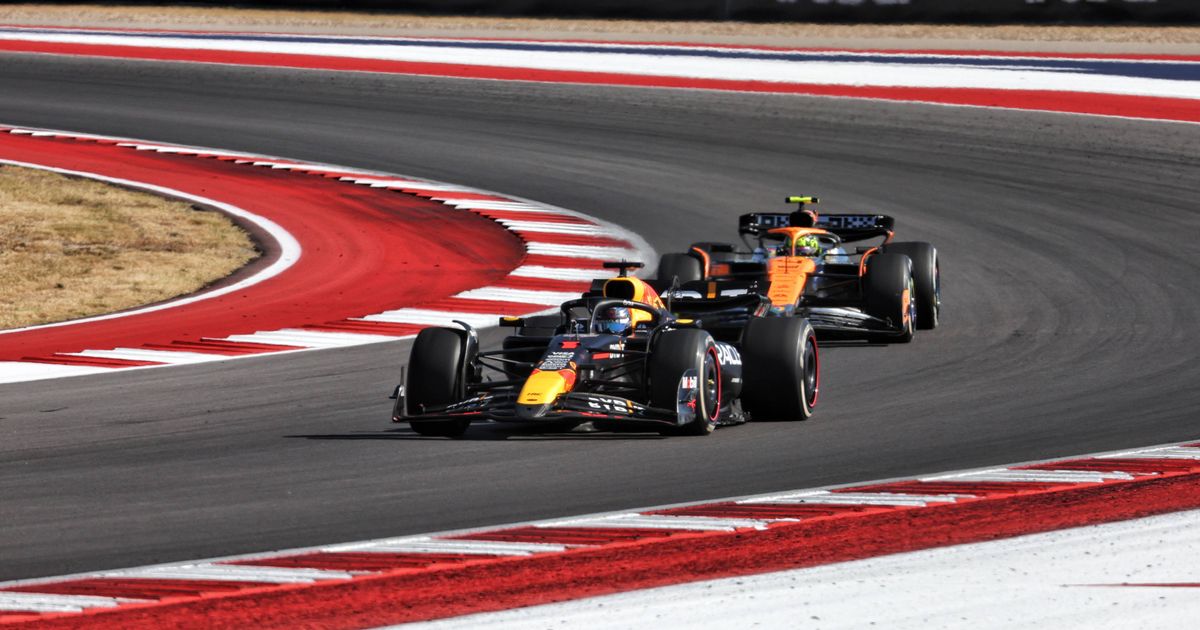
However, since Verstappen clinched his first title in Abu Dhabi, the competitive landscape has shifted dramatically. The sport has entered an era of unprecedented dominance by Red Bull Racing and its star driver, Max Verstappen. In the 31 races following that memorable 2021 finale, only five drivers have tasted victory. Verstappen himself has secured 21 wins, demonstrating a commanding lead that has made recent seasons, as some critics describe, "snoozers." For example, in the current season, Verstappen has won six of eight races, with his teammate Sergio Perez taking the other two, making Red Bull a perfect 8 for 8.
This overwhelming predictability, while a testament to Red Bull's engineering and Verstappen's talent, poses a significant risk to the sport's appeal. New fans, drawn by the fierce competition depicted on screen and experienced in 2021, may find their interest waning if race outcomes become a foregone conclusion. The challenge for F1 is to maintain the excitement and drama across the grid, ensuring that every Grand Prix offers compelling narratives beyond just the battle for first place.
Maintaining Momentum: What F1 Can Do
To counter the potential "f1 races at risk" regarding fan interest due to predictability, Formula 1 is actively pursuing several strategies:
*
Regulatory Changes: The introduction of new technical regulations, such as the ground effect cars in 2022, was specifically designed to promote closer racing and allow cars to follow each other more easily. Future engine regulations are also geared towards fostering greater competition.
*
Cost Caps: The implementation of budget caps aims to level the playing field over time, preventing mega-teams from outspending their rivals into oblivion and encouraging innovation within financial constraints.
*
Expanded US Presence: Recognizing the burgeoning American fanbase, F1 has added new stops in Miami and Las Vegas, bringing the total to three US races, alongside Canada and Mexico City, for five North American events. These new, often spectacular, venues are designed to captivate audiences with unique experiences.
*
Highlighting Midfield Battles: While the lead fight might be settled, F1's broadcast strategy often focuses on the intense battles occurring throughout the midfield, showcasing overtakes, strategic gambles, and individual driver brilliance that still offer plenty of drama.
*
Driver Personalities and Storylines: The "Drive to Survive" effect has shown the power of human stories. F1 continues to promote the diverse personalities and narratives of its drivers and teams, ensuring there's always something to follow, even if the championship battle isn't tight.
Understanding the balance between technical excellence and competitive spectacle is crucial for F1’s long-term health. The sport must ensure that the very dominance that showcases incredible engineering doesn't inadvertently turn off the casual viewer looking for thrilling, unpredictable contests. Our article,
Verstappen Dominance: Is Predictable F1 Racing Hurting US Fans?, delves deeper into this fascinating dilemma.
Practical Implications for Fans and Teams
The categorical denial of street race cancellations by F1 has significant practical implications across the board. For fans, it means greater certainty when planning attendance, purchasing tickets, and making travel arrangements for these highly anticipated events. The ability to look forward to races in iconic locations like Monaco or the vibrant night race in Singapore without the looming threat of cancellation enhances the overall fan experience. Always remember to check official F1 and circuit websites for the very latest updates and travel advice.
For teams, calendar stability translates into crucial operational advantages. Logistics, budget allocation, and operational planning can proceed with greater confidence, reducing the stress and financial burden associated with last-minute changes. This stability also reassures sponsors, who rely on the visibility and marketing opportunities provided by a consistent race schedule.
Host cities and local economies also stand to benefit immensely. F1 races are significant economic generators, bringing in tourism revenue, boosting local businesses, and providing global exposure. The commitment from F1 ensures that these vital economic impacts can be realized, offering a beacon of hope in a still recovering global economy.
Conclusion
Formula 1 continues to navigate a complex global landscape, balancing the immediate challenges posed by the lingering pandemic with the longer-term goal of maintaining a thrilling and competitive spectacle. The swift dismissal of rumors concerning street race cancellations underlines F1's confidence in its operational capabilities and its commitment to delivering a full and diverse calendar. While external threats like pandemics can certainly put "f1 races at risk," the sport is equally focused on internal dynamics, addressing concerns about competitive predictability to ensure its rapidly growing global fanbase remains engaged. As the season progresses, fans can look forward to a calendar brimming with iconic races and, hopefully, more wheel-to-wheel action throughout the grid, proving that F1 is not just about speed, but also about resilience, adaptability, and unwavering excitement.