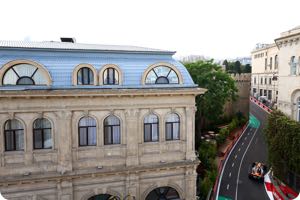
F1 Dismisses Rumors: Street Races Confirmed for 2021 Season
The exhilarating world of Formula 1 is no stranger to high-stakes drama, both on and off the track. With a global presence and an ever-evolving calendar, the sport frequently finds itself navigating complex challenges. Recently, whispers and speculative reports began circulating, suggesting that several iconic street races on the 2021 calendar were at risk of cancellation due to the ongoing global health crisis. These rumors sent a ripple of concern through the motorsport community, recalling the disruptions of the previous season.
However, Formula 1 has swiftly moved to quell these anxieties, issuing a categorical denial of any plans to scrap these highly anticipated events. The official word from F1 is clear: the street races scheduled for 2021 are going ahead as planned. This decisive stance reaffirms the sport's commitment to its revised calendar and provides a much-needed boost of confidence for fans and teams alike. It highlights F1's proactive approach to manage the various factors that could put f1 races at risk, ensuring the show goes on with appropriate safety measures in place.
Setting the Record Straight: Iconic Street Races Secure for 2021
Over the weekend, reports surfaced citing rising concerns over new variants of the coronavirus and renewed lockdowns across Europe as potential threats to certain races. Specifically, the prestigious Monaco Grand Prix, along with events in Baku, Singapore, Jeddah, and the Canadian Grand Prix in June, were named as being under threat. For many, these reports conjured unwelcome memories of the 2020 season, which saw the Monaco Grand Prix cancelled for the first time since 1954, an early casualty alongside Baku, Canada, and Singapore.
Despite the significant challenges of 2020, F1 remarkably salvaged a 17-round, largely European-centric championship, demonstrating incredible resilience and adaptability. This historical precedent perhaps fueled the recent speculation, but F1 was quick to shut down the latest rumors. An F1 spokesperson unequivocally stated, "We have set out the details of the revised 2021 calendar and there are no other changes. The suggestion street races will not take place are completely wrong." This firm dismissal underscores F1's determination to deliver a robust and exciting season, ensuring that these classic urban circuits, known for their unique challenges and spectacle, remain a highlight of the calendar. The commitment to these events is a testament to the sport's robust planning and stringent health protocols designed to mitigate any potential F1 races at risk scenarios, allowing fans to look forward to the adrenaline of street racing.
The Unmatched Appeal of Street Circuits
What makes street races so vital to the fabric of Formula 1? It’s not just the glamour; it’s the sheer test of skill they demand. Unlike purpose-built tracks with expansive run-off areas, street circuits like Monaco and Baku feature unforgiving barriers, narrow straights, and tight corners that leave no room for error. This high-risk, high-reward environment consistently delivers some of the most dramatic and memorable moments in F1 history.
- Monaco: The jewel in the crown, steeped in history and tradition, it's a spectacle of precision.
- Baku: Known for its incredibly long straight and tight castle section, offering unique overtaking opportunities and thrills.
- Singapore: The original night race, providing breathtaking visuals and a severe physical challenge for drivers in the humid conditions.
- Jeddah (Saudi Arabia): A newer addition, designed to be the fastest street circuit, promising high-speed action.
- Montreal (Canada): The Circuit Gilles Villeneuve, technically a semi-permanent road course, offers a blend of street circuit characteristics with an iconic 'Wall of Champions'.
These circuits offer an unparalleled atmosphere, blending the raw speed of F1 with the urban landscape, captivating millions globally. Ensuring their place on the calendar is crucial for maintaining the sport's heritage and attracting new audiences.
Navigating the Evolving Calendar: Adaptability is Key
While the street race rumors have been debunked, the 2021 F1 calendar has not been without its adjustments. The initial plans for a record-breaking 23-round season have already seen modifications, showcasing F1's ongoing need for flexibility in a dynamic global environment. The season start was delayed by a week and relocated to Bahrain, with the Australian Grand Prix postponed until November. Similarly, the Chinese Grand Prix has also been postponed, though championship bosses hold hope of rescheduling it later in the season.
This adaptability is a hallmark of F1's operational strategy in challenging times. To fill the void left by postponements, Imola has been confirmed as a returning venue, stepping in as the second round of the season on April 18th. Furthermore, the 'TBC' slot on May 2nd is widely expected to be filled by Portugal’s Portimao circuit, which made a popular debut in 2020. These swift and strategic revisions highlight F1's commitment to delivering a comprehensive championship, even when faced with factors that continually put F1 races at risk.
For fans, staying updated on the official F1 website and trusted motorsport news outlets is the best way to keep track of any further calendar adjustments. F1's experience in 2020 proved that a successful season can be orchestrated under duress, and this proactive management of the 2021 schedule indicates a similar resolve. The ability to pivot and secure alternative, high-quality venues demonstrates the deep network and resources at F1's disposal, ensuring that while individual races might face challenges, the overall championship remains robust.
Beyond the Pandemic: Other Challenges Facing F1 Races
While the immediate concerns about pandemic-related cancellations have been addressed, the phrase "f1 races at risk" can carry other meanings. The sport's growing popularity, particularly in new markets like the United States, brings with it a different set of challenges. The Netflix docuseries "Drive to Survive" played a pivotal role in attracting a new generation of American fans, drawn in by the behind-the-scenes drama and fierce rivalries, especially the epic 2021 championship fight between Max Verstappen and Lewis Hamilton.
This newfound American audience prompted Liberty Media, F1's rights holder, to expand its presence in the US, adding races in Miami and Las Vegas to the existing event in Austin (COTA). With Canada and Mexico City also on the calendar, North America now hosts five out of 22 races. However, this expansion comes with the pressure to deliver consistently thrilling racing. As explored in Verstappen Dominance: Is Predictable F1 Racing Hurting US Fans?, a significant concern has emerged regarding the predictability of races post-2021. Since Verstappen controversially clinched his first title in Abu Dhabi, his dominance has been stark. He has won an overwhelming majority of races, with Red Bull often securing 1-2 finishes.
This "Verstappen rout" raises questions about the long-term engagement of new fans who were captivated by the nail-biting 2021 season. If races become too predictable, with one team or driver consistently dominating, there's a risk that the excitement factor could wane. This isn't a direct threat of cancellation, but it's a subtle yet significant risk to the sport's burgeoning appeal and its ability to retain its expanded fanbase. F1 and the FIA are continually looking at rule changes and technical regulations to promote closer racing, understanding that competitive balance is crucial for the sport's enduring health and entertainment value, ensuring that the spectacle doesn't put "f1 races at risk" of becoming unexciting.
The Resilience of Formula 1: Looking Ahead
Formula 1 has a long history of resilience, adapting to global conflicts, economic downturns, and now, a global pandemic. The swift dismissal of rumors regarding street race cancellations for the 2021 season, coupled with the proven adaptability in managing the calendar, underscores the sport's robust operational framework. F1's commitment to its 2021 schedule, despite the complexities, is a powerful statement of intent. The proactive measures taken to ensure safety protocols, combined with strategic rescheduling, demonstrate an unwavering dedication to delivering a full season of world-class motorsport.
The sport's global appeal and significant economic drivers ensure that every effort is made to overcome obstacles. From securing alternative venues like Imola and Portimao to implementing stringent health and safety bubbles, F1 leadership is constantly working to minimize factors that could put f1 races at risk. While challenges persist—be it managing a pandemic or addressing the competitive balance on track—Formula 1 continues to demonstrate its capacity for innovation and perseverance. The passion of its fanbase, the dedication of its teams, and the strategic foresight of its leadership all contribute to a sport that, despite facing various forms of "f1 races at risk," consistently finds a way to thrive.
Practical Facts for Fans
- Stay Informed: Always refer to official Formula 1 channels for calendar updates.
- Health Protocols: F1 operates under strict COVID-19 protocols, including regular testing and limited access, to ensure safety.
- Venue Flexibility: The sport has a proven track record of securing replacement venues quickly if needed.
The confirmation of the street races brings excitement and anticipation for the unique challenges these circuits present. As the season unfolds, fans can look forward to the spectacle of Formula 1, confident in the sport's ability to navigate its complex landscape.
Conclusion
In conclusion, despite the recent wave of speculation, Formula 1 has decisively confirmed that its iconic street races will proceed as planned for the 2021 season. This strong affirmation highlights the sport's remarkable adaptability and commitment to delivering a thrilling championship amidst ongoing global challenges. While the pandemic continues to necessitate a flexible approach to the calendar, F1 has demonstrated its capability to manage these complexities, ensuring that the much-anticipated battles on circuits like Monaco, Baku, and Singapore will go ahead. Beyond the immediate health concerns, F1 also faces the long-term challenge of maintaining competitive balance to sustain fan engagement, especially with its growing audience in new markets. Regardless of these multifaceted risks, the resilience of Formula 1, its strategic planning, and its unwavering dedication to its global fanbase suggest that the spectacle of high-speed racing will continue to captivate and thrill for seasons to come.